
Published on October 2025
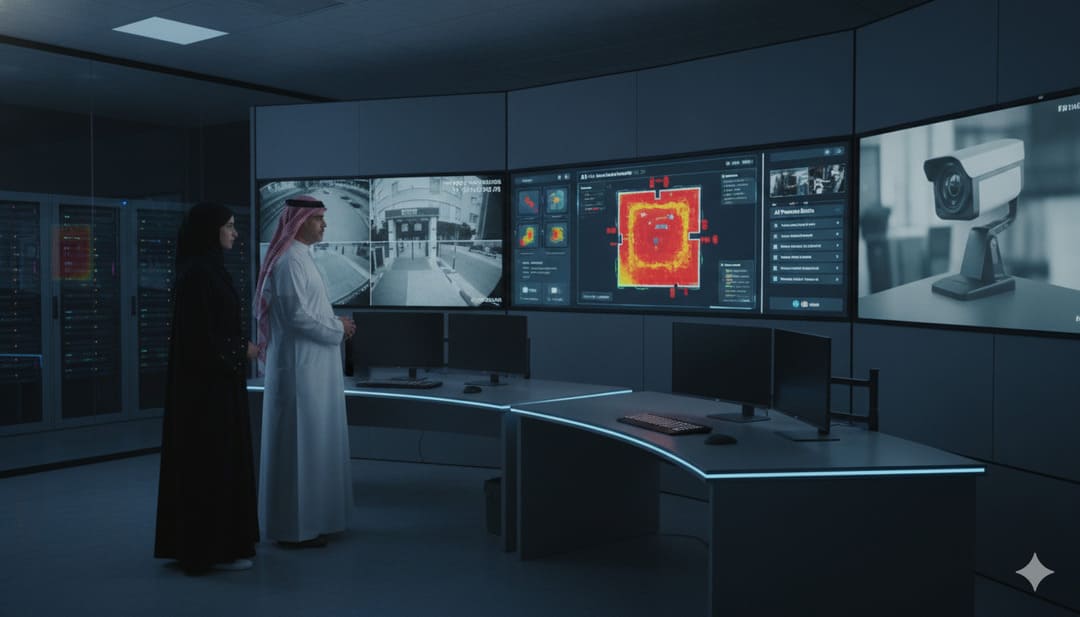
Most organizations rely on surveillance as a cornerstone of their security strategy, but for many, it’s still a passive tool. Traditional CCTV systems dutifully capture hours of footage, yet often fail to deliver timely insights when it matters most. Security teams are left reviewing recordings after incidents have occurred, reacting instead of preventing.
Today’s risk landscape demands more. Rising security threats, stricter compliance requirements, and the need for operational efficiency have pushed many businesses to explore smarter solutions.
AI-driven surveillance represents that next step. By leveraging real-time analytics, these systems can detect unusual activity, issue instant alerts, and transform video data into actionable intelligence.
In this blog, we’ll explore the strengths and limitations of both traditional and AI-driven surveillance, compare their impact on cost, risk, and compliance, and outline a practical framework to help you choose the right approach for your organization.
Traditional surveillance systems have been the backbone of organizational security for decades. They’re familiar, proven, and often cost-effective, which is why they remain a popular choice.
Reliability & Familiarity: Traditional setups are straightforward to install, operate, and maintain. Most security teams are already trained to work with them, reducing the learning curve.
Lower Upfront Costs: Compared to AI-enabled systems, standard surveillance usually requires less investment initially, ideal for organizations with limited budgets.
Compliance-Friendly: Many industries have long relied on traditional systems to meet regulatory requirements, making audits and documentation easier.
Visual Deterrence: Simply having cameras in place can deter theft, vandalism, or other unwanted activity.
Reactive, Not Proactive: Footage is usually reviewed after an incident occurs, leading to slow response times and missed opportunities for prevention.
Human Error & Fatigue: Manual monitoring is resource-intensive, and attention lapses can result in missed events or false alarms.
Scalability Challenges: Expanding coverage often requires significant infrastructure investment.
Data Overload: Large volumes of recorded video can make it difficult to extract meaningful insights quickly.
Traditional surveillance still plays a critical role, especially for organizations that need a simple, cost-effective solution. However, its limitations highlight why many businesses are looking for systems that can help anticipate and prevent threats in real time.
As security threats grow more complex and organizations face pressure to respond faster, surveillance technology has evolved beyond passive recording. AI-driven surveillance is leading this transformation by embedding intelligence directly into video management systems.
Powered by computer vision, machine learning, and advanced analytics, these solutions can:
Detect and Respond in Real Time: Identify unusual behaviors, unauthorized access, or safety violations as they happen.
Reduce False Alarms: AI filters out routine movements or environmental noise, allowing security teams to focus on genuine threats.
Unlock Operational Insights: Beyond security, video data can reveal patterns in facility usage, employee flow, or safety compliance, supporting smarter business decisions.
Scale Efficiently: AI-enabled systems can cover more ground with fewer human resources, lowering operational costs over time.
In short, traditional systems are dependable and budget-friendly, but they’re inherently reactive. AI-driven surveillance adds proactive detection, operational intelligence, and scalability but at a higher upfront cost and with added responsibility for privacy management.
There is no one-size-fits-all answer. The right approach depends on your organization’s risk profile, budget, compliance requirements, and operational goals.
For many organizations, the decision isn’t one or the other; it’s a hybrid approach, using AI where it adds the most value while retaining traditional systems where cost efficiency matters most.
Risk Tolerance: High-security environments (like healthcare, finance, or government) often benefit from AI’s real-time detection and alerts.
Budget & ROI: Traditional systems have lower upfront costs, but AI can deliver long-term savings through automation and reduced incident impact.
Scalability: If you plan to expand operations or sites, AI-driven systems can scale more efficiently with less manpower.
Compliance & Privacy: Consider legal requirements for data retention, facial recognition, and monitoring practices in your industry.
Axelerated Solutions partners with organizations to reimagine how they secure, manage, and scale their operations in an increasingly digital world. The company delivers tailored solutions spanning IT infrastructure, cloud services, cybersecurity, and AI, all designed to achieve measurable results. What sets it apart is a focus on business impact; every engagement is aimed at improving efficiency, strengthening resilience, and helping clients harness emerging technologies like IoT and smart systems to drive growth. With innovation at its core, Axelerated Solutions simplifies complexity, optimizes processes, and positions enterprises to stay ahead of evolving security and technology demands.
Lensec is redefining the role of surveillance by moving beyond passive video recording to deliver actionable intelligence. Its platform combines video management with advanced analytics to identify potential threats, automate alerts, and provide a clear picture of what’s happening in real time. This helps organizations shorten response times, reduce manual monitoring, and gain meaningful insights from their video data. Because it integrates easily with existing infrastructure, Lensec enables businesses to enhance security without a costly overhaul, turning cameras from simple recorders into a strategic tool for smarter decision-making.
Take the lead in building a safer, smarter future for your organization. With the right mix of innovation and expertise, security can move beyond passive monitoring to become a strategic advantage, protecting people, assets, and operations while delivering measurable value.
Axelerated Solutions is ready to help you make that upgrade. Our team works with you to design, implement, and optimize surveillance strategies that fit your unique needs whether through upgrading existing systems, deploying AI-driven solutions, or creating a scalable hybrid approach.
Let’s shape the future of your security together. Reach out today to explore how Axelerated Solutions can help transform your surveillance into a proactive, intelligent defense.
Most organizations rely on surveillance as a cornerstone of their security strategy, but for many, it’s still a passive tool. Traditional CCTV systems dutifully capture hours of footage, yet often fail to deliver timely insights when it matters most. Security teams are left reviewing recordings after incidents have occurred, reacting instead of preventing.
Today’s risk landscape demands more. Rising security threats, stricter compliance requirements, and the need for operational efficiency have pushed many businesses to explore smarter solutions.
AI-driven surveillance represents that next step. By leveraging real-time analytics, these systems can detect unusual activity, issue instant alerts, and transform video data into actionable intelligence.
In this blog, we’ll explore the strengths and limitations of both traditional and AI-driven surveillance, compare their impact on cost, risk, and compliance, and outline a practical framework to help you choose the right approach for your organization.
Traditional surveillance systems have been the backbone of organizational security for decades. They’re familiar, proven, and often cost-effective, which is why they remain a popular choice.
Reliability & Familiarity: Traditional setups are straightforward to install, operate, and maintain. Most security teams are already trained to work with them, reducing the learning curve.
Lower Upfront Costs: Compared to AI-enabled systems, standard surveillance usually requires less investment initially, ideal for organizations with limited budgets.
Compliance-Friendly: Many industries have long relied on traditional systems to meet regulatory requirements, making audits and documentation easier.
Visual Deterrence: Simply having cameras in place can deter theft, vandalism, or other unwanted activity.
Reactive, Not Proactive: Footage is usually reviewed after an incident occurs, leading to slow response times and missed opportunities for prevention.
Human Error & Fatigue: Manual monitoring is resource-intensive, and attention lapses can result in missed events or false alarms.
Scalability Challenges: Expanding coverage often requires significant infrastructure investment.
Data Overload: Large volumes of recorded video can make it difficult to extract meaningful insights quickly.
Traditional surveillance still plays a critical role, especially for organizations that need a simple, cost-effective solution. However, its limitations highlight why many businesses are looking for systems that can help anticipate and prevent threats in real time.
As security threats grow more complex and organizations face pressure to respond faster, surveillance technology has evolved beyond passive recording. AI-driven surveillance is leading this transformation by embedding intelligence directly into video management systems.
Powered by computer vision, machine learning, and advanced analytics, these solutions can:
Detect and Respond in Real Time: Identify unusual behaviors, unauthorized access, or safety violations as they happen.
Reduce False Alarms: AI filters out routine movements or environmental noise, allowing security teams to focus on genuine threats.
Unlock Operational Insights: Beyond security, video data can reveal patterns in facility usage, employee flow, or safety compliance, supporting smarter business decisions.
Scale Efficiently: AI-enabled systems can cover more ground with fewer human resources, lowering operational costs over time.
In short, traditional systems are dependable and budget-friendly, but they’re inherently reactive. AI-driven surveillance adds proactive detection, operational intelligence, and scalability but at a higher upfront cost and with added responsibility for privacy management.
There is no one-size-fits-all answer. The right approach depends on your organization’s risk profile, budget, compliance requirements, and operational goals.
For many organizations, the decision isn’t one or the other; it’s a hybrid approach, using AI where it adds the most value while retaining traditional systems where cost efficiency matters most.
Risk Tolerance: High-security environments (like healthcare, finance, or government) often benefit from AI’s real-time detection and alerts.
Budget & ROI: Traditional systems have lower upfront costs, but AI can deliver long-term savings through automation and reduced incident impact.
Scalability: If you plan to expand operations or sites, AI-driven systems can scale more efficiently with less manpower.
Compliance & Privacy: Consider legal requirements for data retention, facial recognition, and monitoring practices in your industry.
Axelerated Solutions partners with organizations to reimagine how they secure, manage, and scale their operations in an increasingly digital world. The company delivers tailored solutions spanning IT infrastructure, cloud services, cybersecurity, and AI, all designed to achieve measurable results. What sets it apart is a focus on business impact; every engagement is aimed at improving efficiency, strengthening resilience, and helping clients harness emerging technologies like IoT and smart systems to drive growth. With innovation at its core, Axelerated Solutions simplifies complexity, optimizes processes, and positions enterprises to stay ahead of evolving security and technology demands.
Lensec is redefining the role of surveillance by moving beyond passive video recording to deliver actionable intelligence. Its platform combines video management with advanced analytics to identify potential threats, automate alerts, and provide a clear picture of what’s happening in real time. This helps organizations shorten response times, reduce manual monitoring, and gain meaningful insights from their video data. Because it integrates easily with existing infrastructure, Lensec enables businesses to enhance security without a costly overhaul, turning cameras from simple recorders into a strategic tool for smarter decision-making.
Take the lead in building a safer, smarter future for your organization. With the right mix of innovation and expertise, security can move beyond passive monitoring to become a strategic advantage, protecting people, assets, and operations while delivering measurable value.
Axelerated Solutions is ready to help you make that upgrade. Our team works with you to design, implement, and optimize surveillance strategies that fit your unique needs whether through upgrading existing systems, deploying AI-driven solutions, or creating a scalable hybrid approach.
Let’s shape the future of your security together. Reach out today to explore how Axelerated Solutions can help transform your surveillance into a proactive, intelligent defense.